Πηγή: βλέμμα
Ten Questions
Guillermo Nielsen, former Argentine State Secretary of Finance, negotiator of the debt restructuring of 2005, former Argentine Ambassador in Germany.
1. Late in 2009, Europe was gradually recovering from the Great Recession and Greece faced an incipient debt crisis. Presently, the European economy has fallen back in recession and the debt crisis has extended to many other countries. Was this an inevitable outcome or is this a case of financial malpractice?
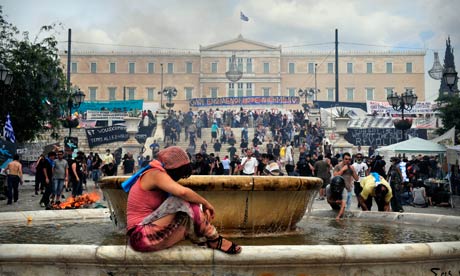
There was malpractice. At the end of 2009 and the beginning of 2010, I happened to live the Greek crisis from Berlin and interact with the most important German government officials, from the President of the Bundesbank to the Finance Minister. They had a completely naïve vision. They believed that Greece, because of being a European country, should not restructure. Besides, the role played by the IMF was quite unfortunate. During the Greek crisis, I remember attending a lunch together with many other ambassadors and the President of the Bundesbank, Axel Weber. He delivered an extremely hard and orthodox speech stating that the Greek financial rescue would amount to 32,000 million euros, which meant practically nothing. On leaving that lunch, press agencies reported that Dominique Strauss- Kahn (who was by then the Managing Director of the IMF) that was visiting Berlin, had said that the rescue would rise to 110,000 million euros. They were completely misguided.


.jpg)